
The signs are easy to see
Where is the
water going?
These are the high-intent problems homeowners actually search. Each one maps to a path, not a product.
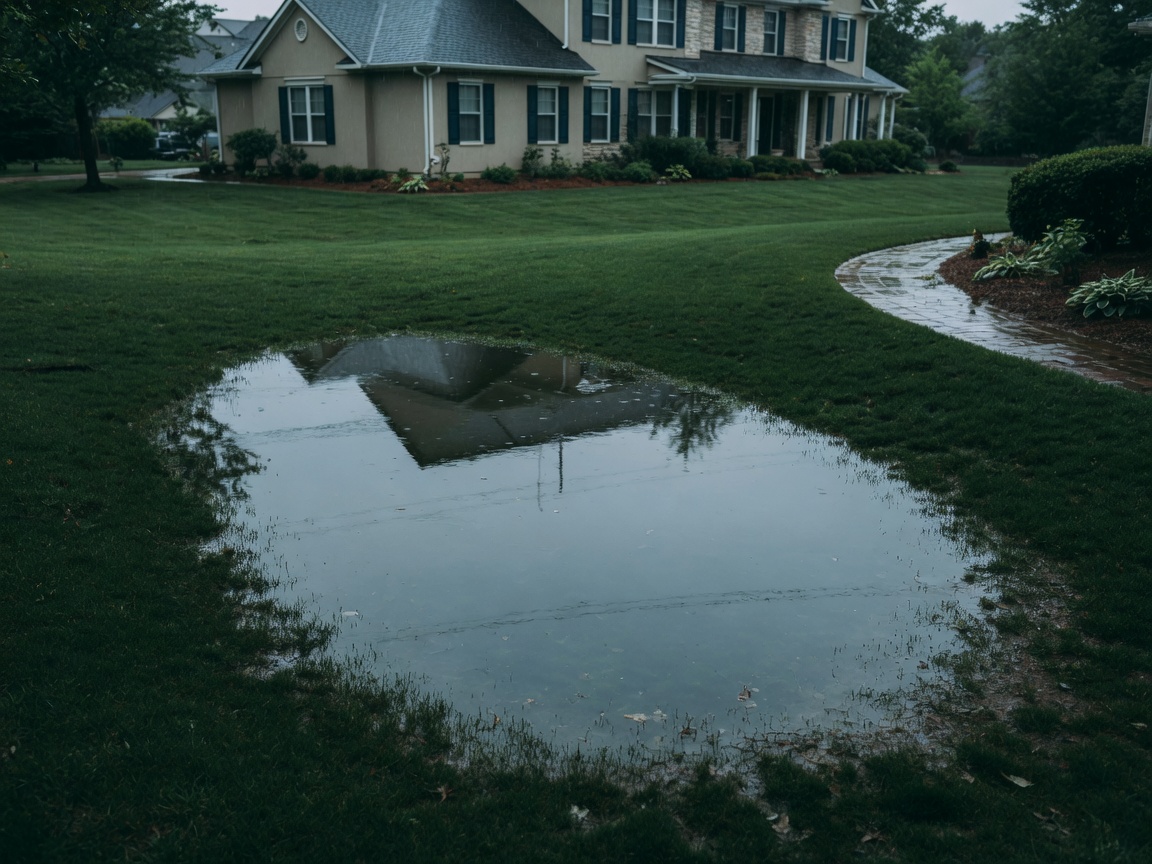
Standing Water
Water sitting in the lawn long after the rain stops.
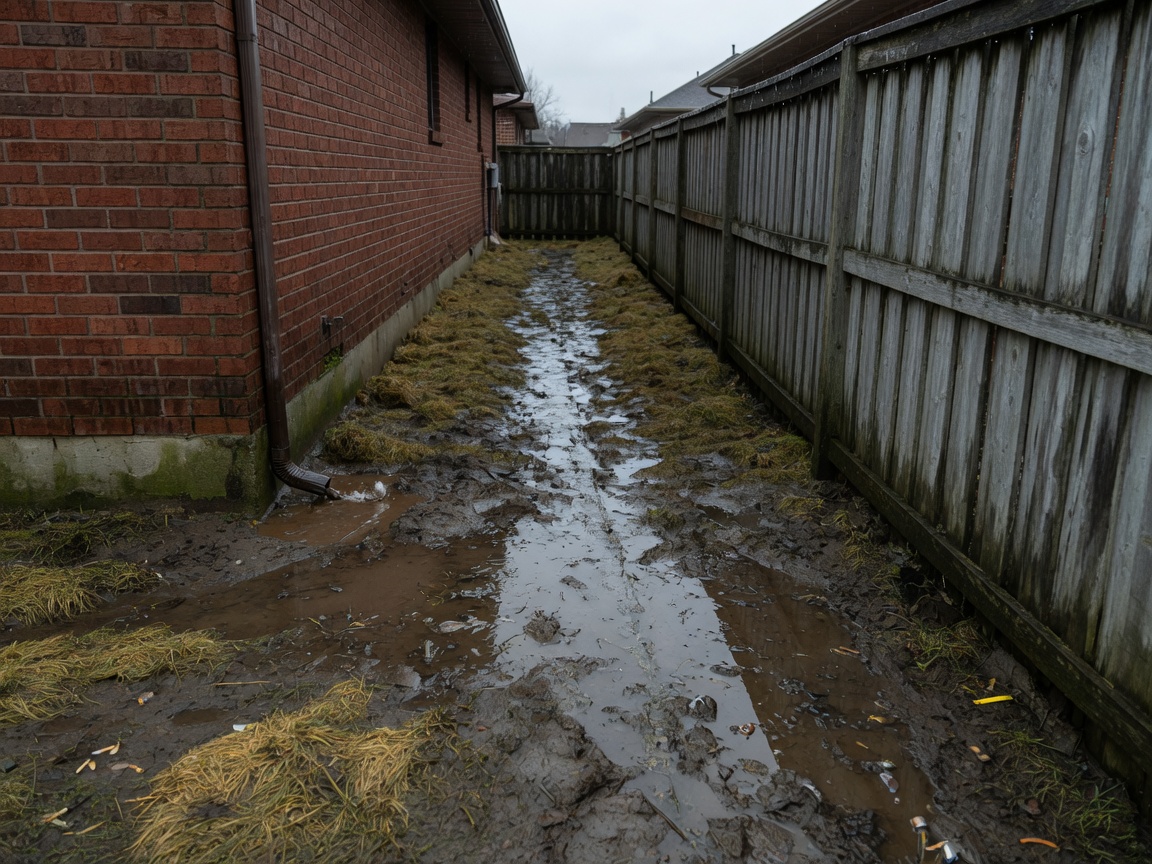
Soggy Side Yard
Constant mud between the house and the property line.
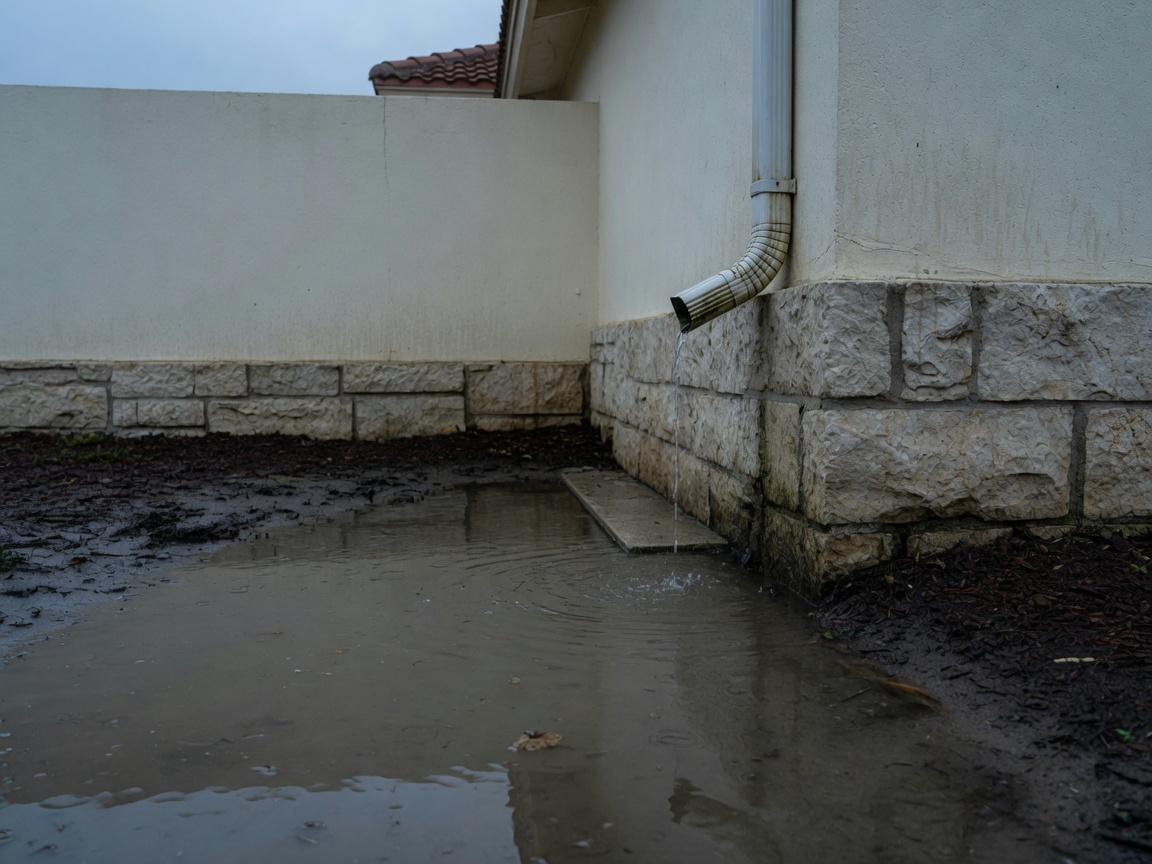
Foundation Pooling
Water collecting against the structure.
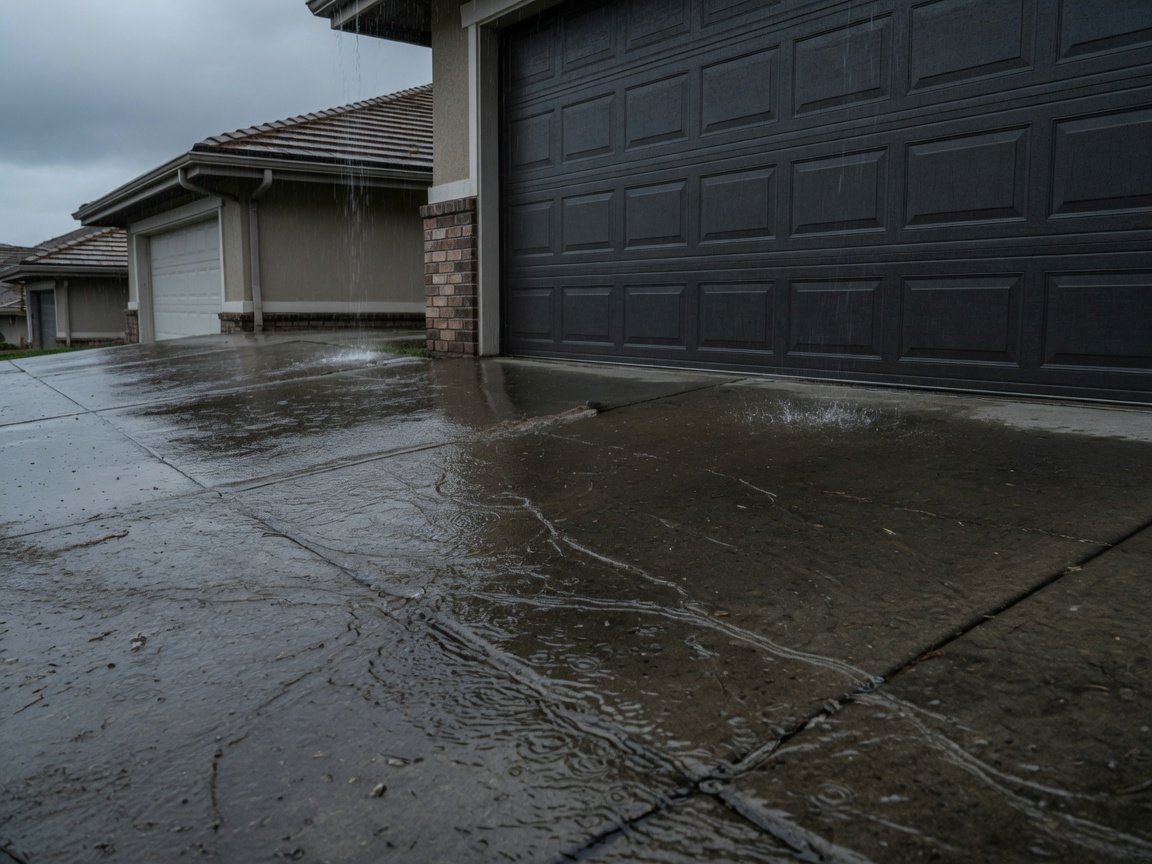
Driveway Runoff
Stormwater traveling toward the garage.
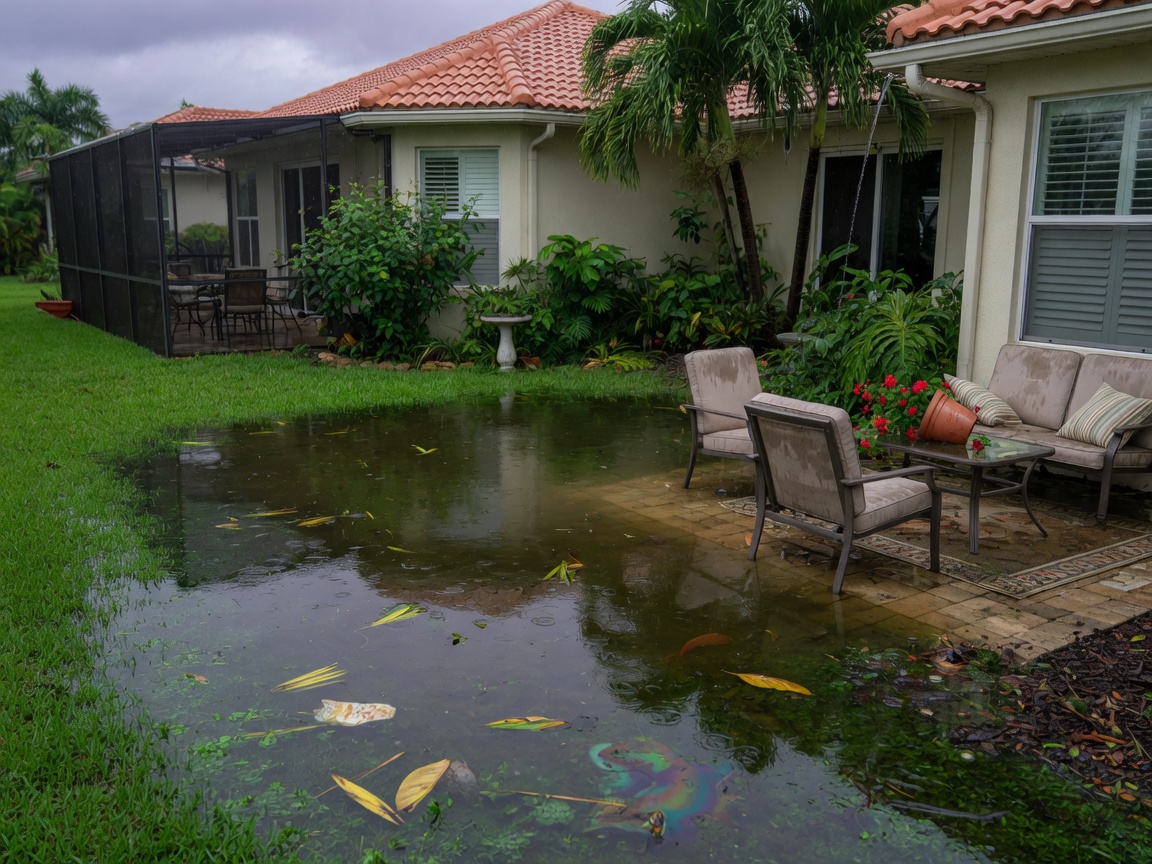
Backyard Flooding
Low areas that become unusable after storms.
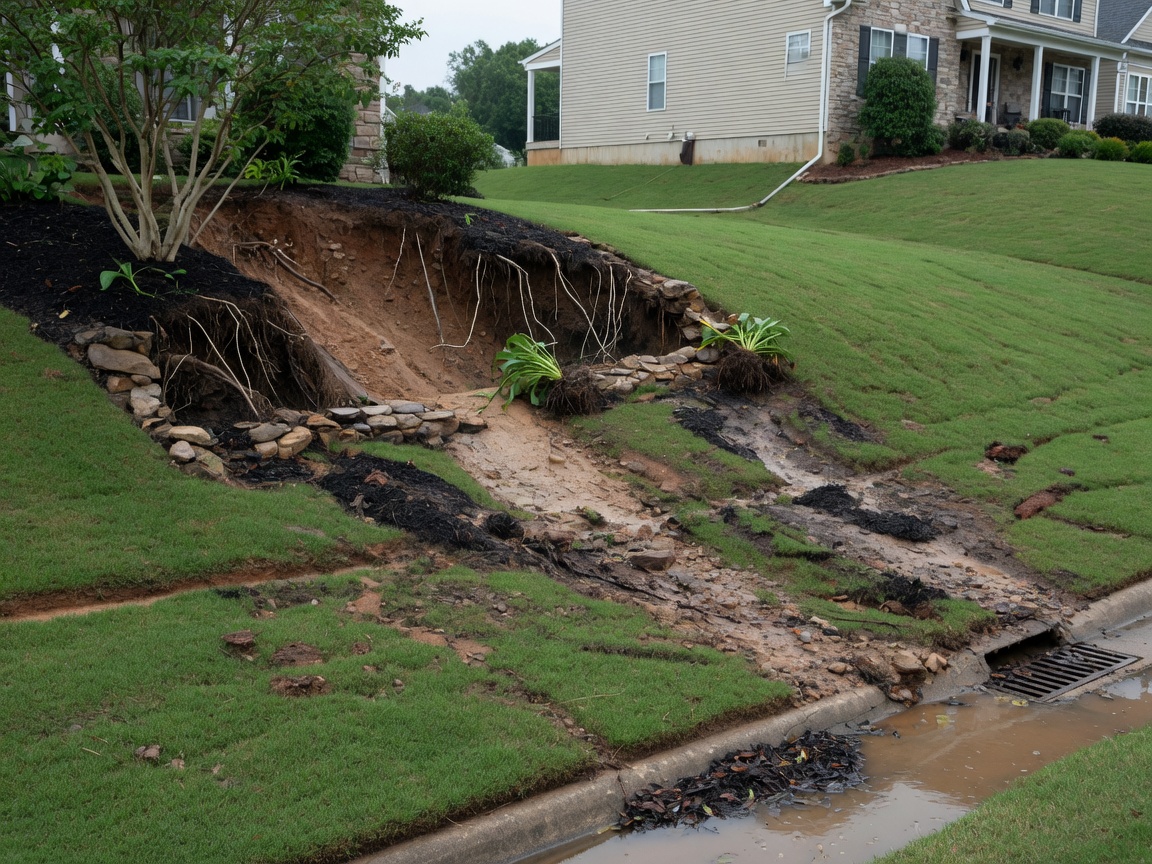
Erosion
Soil and landscaping being washed away.
Problems
What the water
is telling you.
Why is my yard still wet the day after it rains?
The lot is collecting water faster than it can leave. That can be a bowl in the grade, a downspout feeding the low spot, compacted fill, clay that will not percolate, or a missing discharge. Standing water is a path problem — not automatic proof you need a French drain.
The side yard is always mud. Is that a drain?
Often. The corridor between the house and the fence is a trap: roof water, no daylight, and shade. Sometimes the first move is burying the downspouts. Sometimes it is a collection line and solid pipe through the corridor. We measure both structures before we pick.
Water sits against the foundation. How urgent is that?
Water on the wall is a property-risk problem, not a backyard puddle. Stop feeding the foundation first — downspouts, beds piled against brick, grade that pitches to the slab. Perimeter collection comes after the sources are named. We do not promise to protect a foundation permanently.
The driveway sends storms into the garage. What actually stops that?
A channel drain at the right elevation, then a conveyance line that leaves the property. The drive is pitching toward the door. Towels and a longer downspout will not change the slab.
Could this just be a sprinkler leak?
Yes. Wet when the irrigation runs, dry after rain, or a single zone that never dries is often a pressurized line — not poor drainage. We screen for that on the analysis. Installing pipe to “fix” a leak leaves the leak in the ground.
The backyard disappears after a storm. Is that one basin?
Sometimes a single low area is a yard drain. Often the whole rear lot is a bowl — fill, fences, and neighbor discharge with nowhere to go. That can be grade, collection, a pump, or a whole-property path. The analysis is how we tell which.
Soil and mulch keep washing out. Do I need more plants?
If the soil is moving, the water already has a path — just not one you chose. Planting on top of concentrated flow is how the bed disappears a second time. We slow it, collect it, or give it a designed swale and an outlet.
Which of these is a Drainage Pro job versus someone else?
Wet only after rain belongs here. Wet when the sprinklers operate is irrigation. Sewage odor or fixtures backing up is a drain line. If you cannot tell, book the analysis before anyone digs.