Surface Water
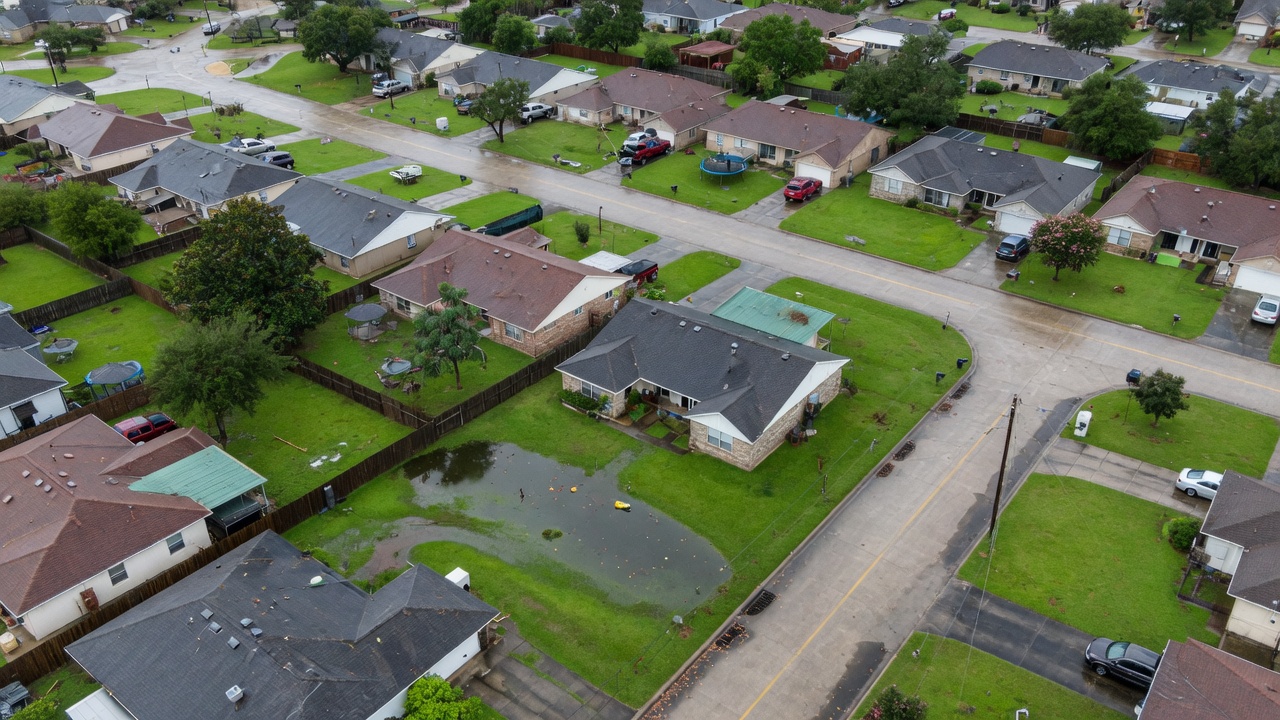
Water sitting on the lawn, driveway, or patio is a path problem — not a pipe product.
Explore solutions →
Yard · Foundation · Stormwater
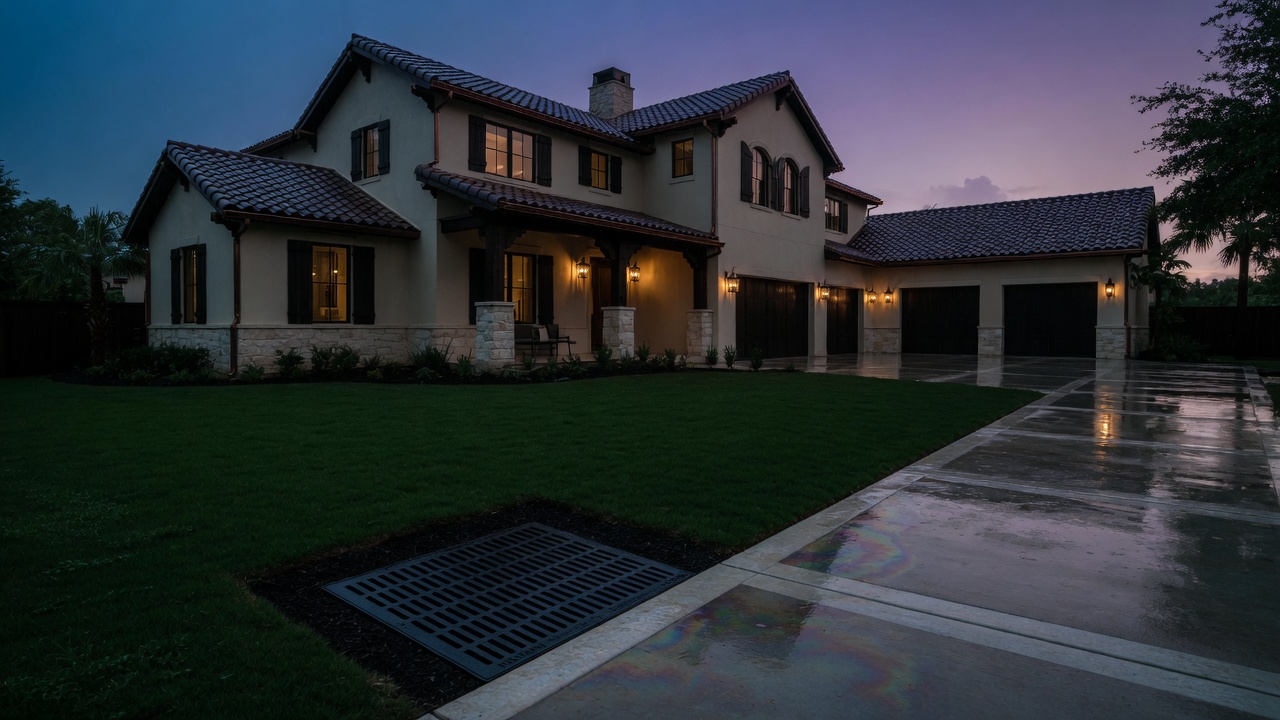
Drainage Pro identifies where water comes from, where it collects and the right way to move it away from your home.
Drainage Analysis · System Design · Installation · Restoration
The signs are easy to see
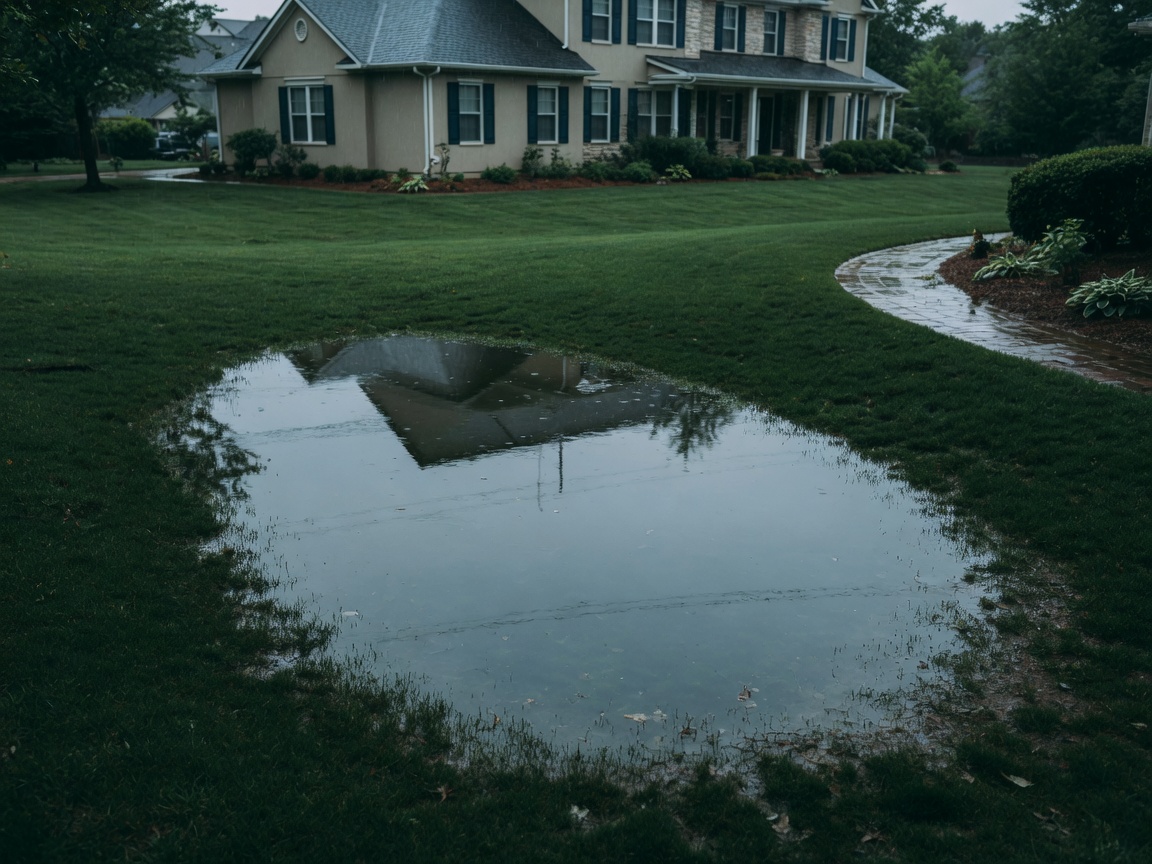
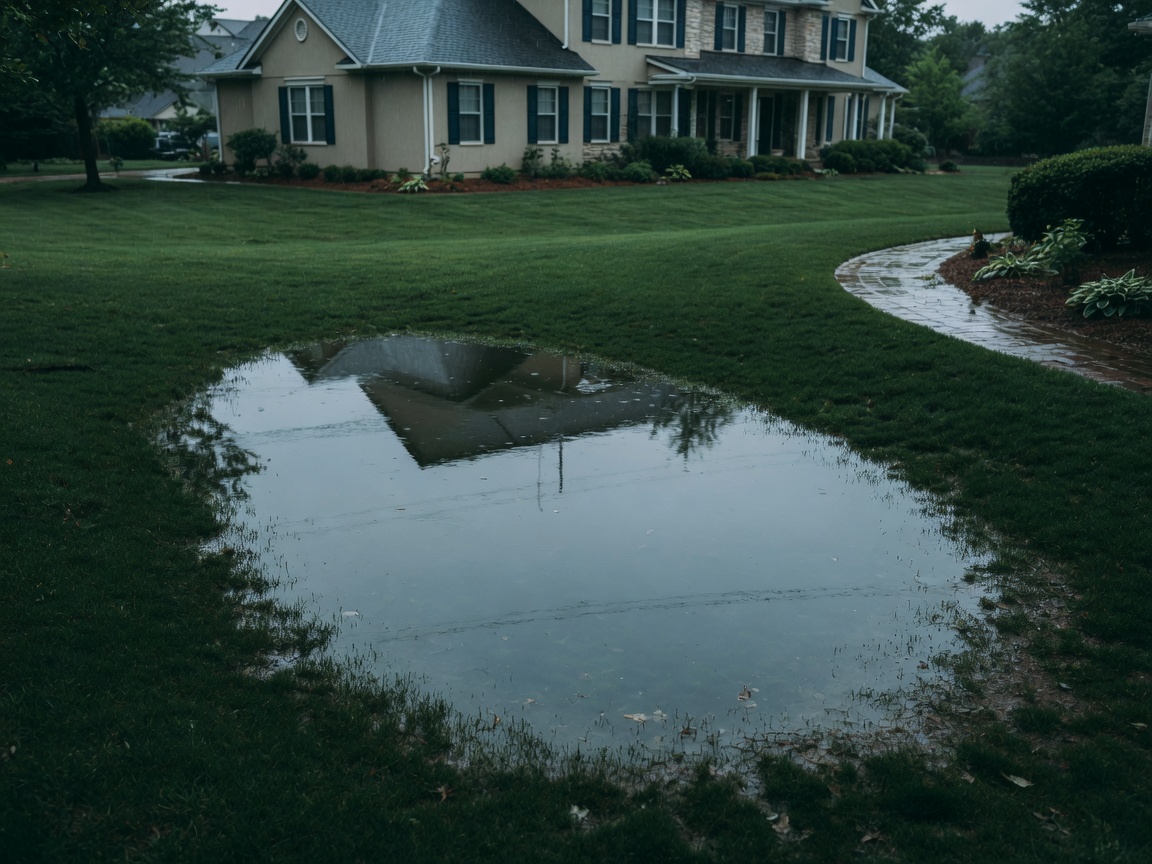
Water sitting in the lawn long after the rain stops.
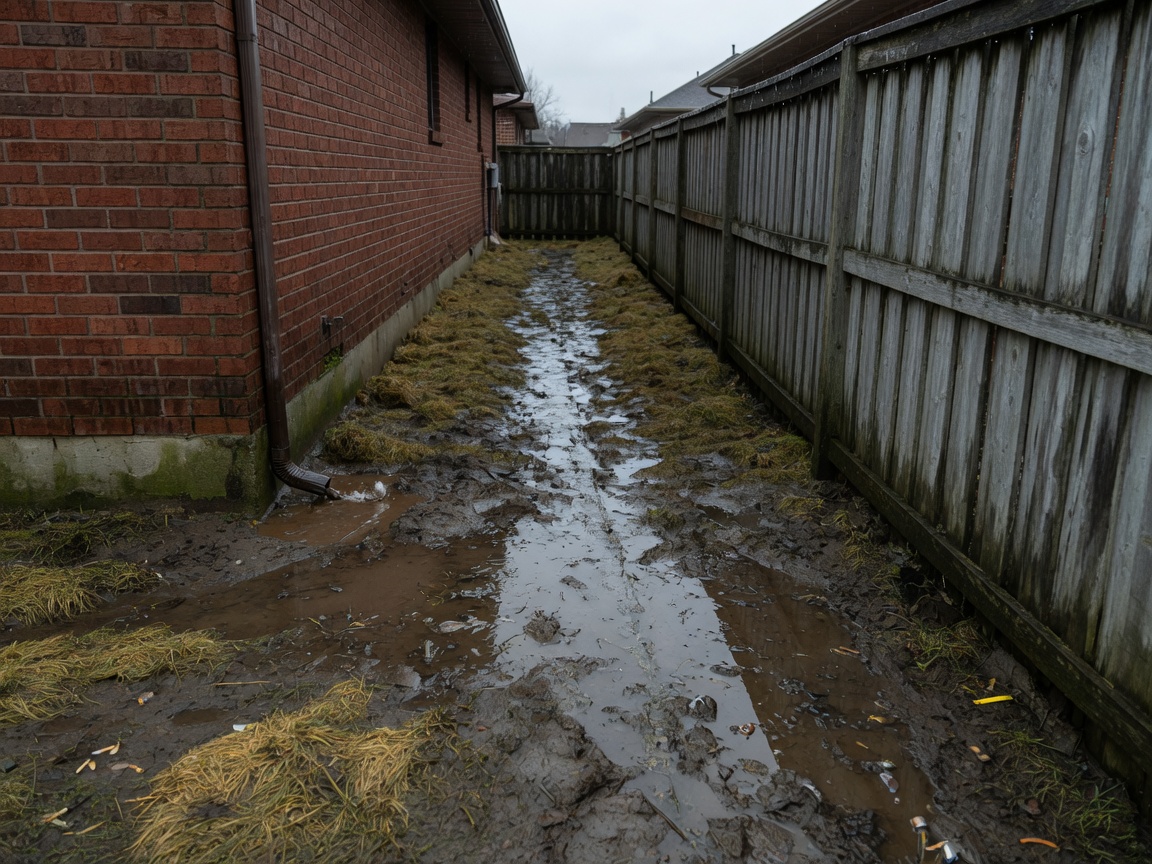
Constant mud between the house and the property line.
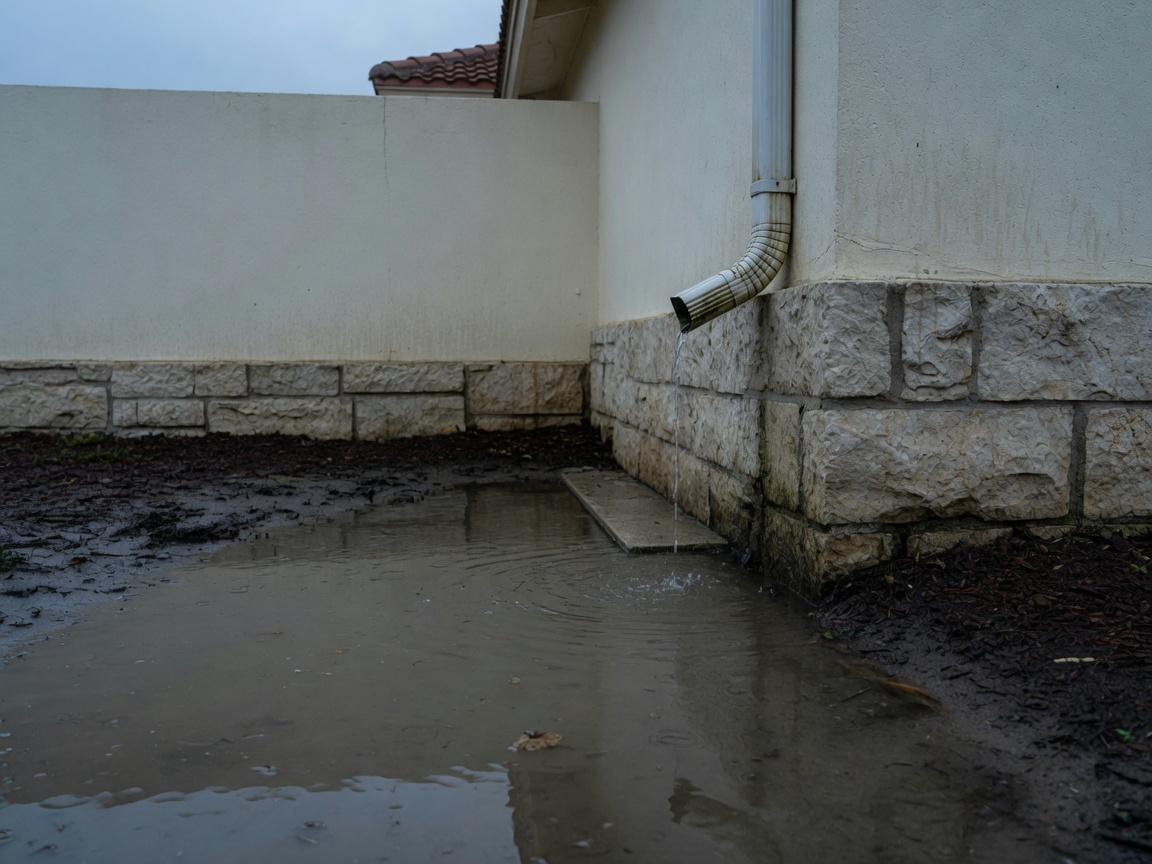
Water collecting against the structure.
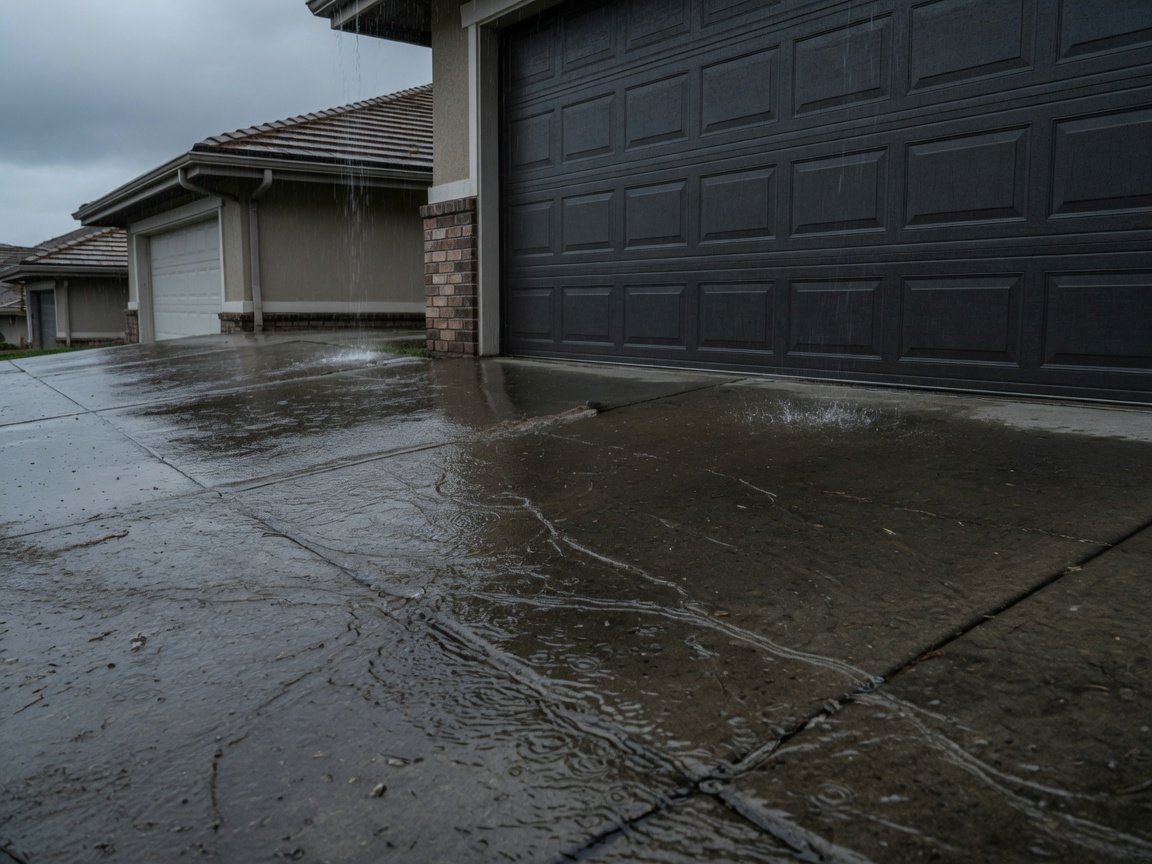
Stormwater traveling toward the garage.
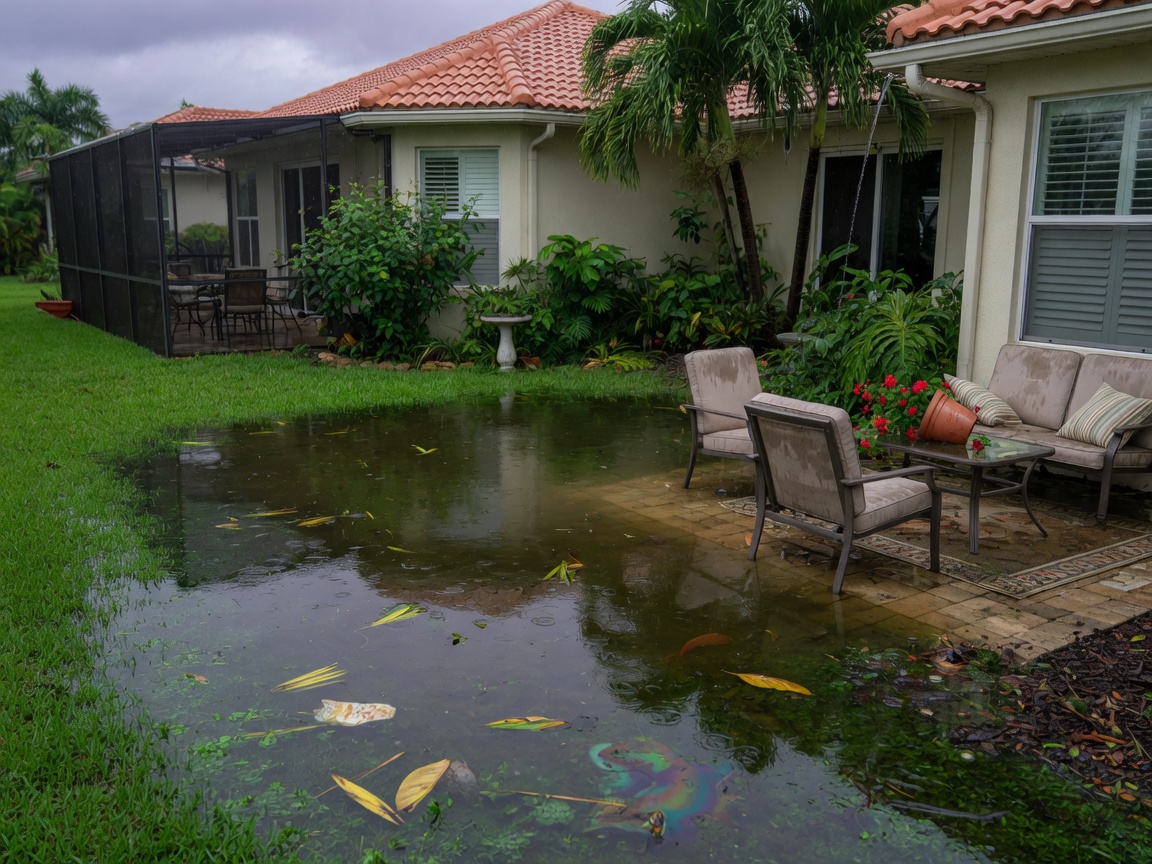
Low areas that become unusable after storms.
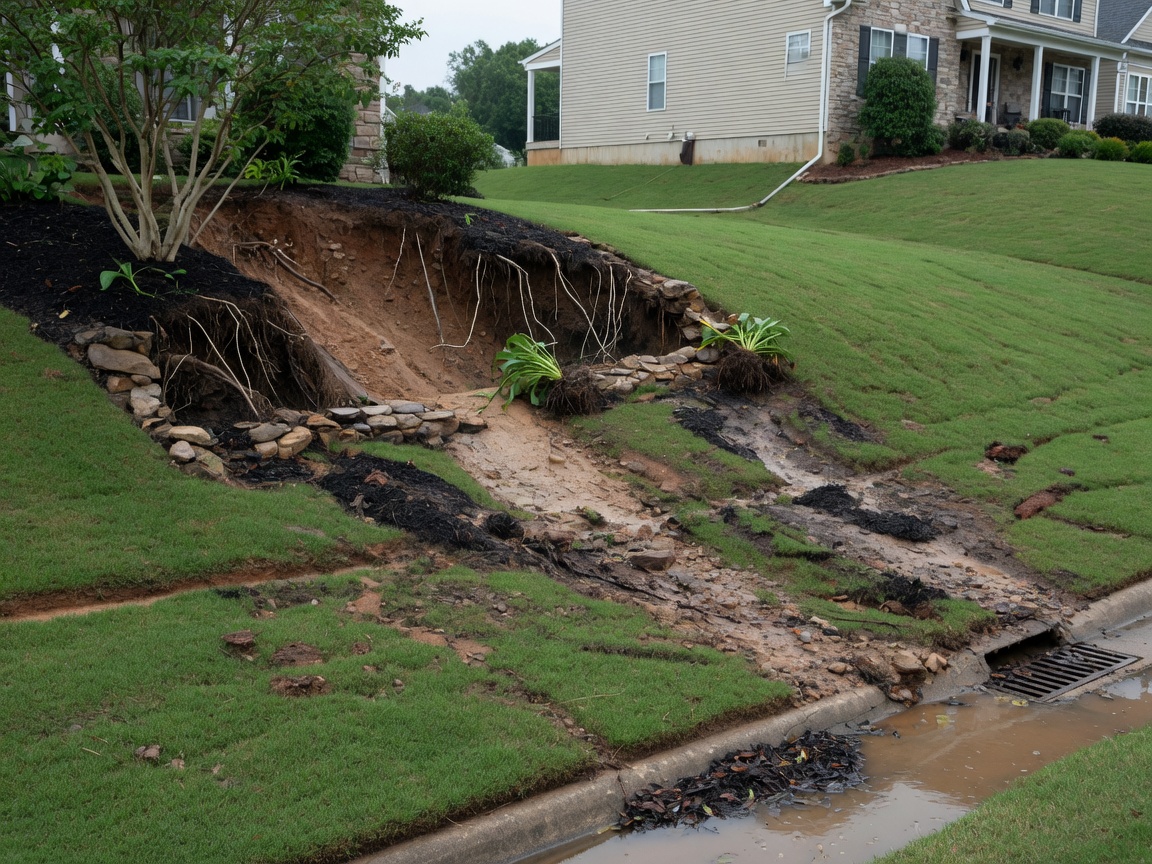
Soil and landscaping being washed away.
The Drainage Pro WaterPath™ process
We identify the source, measure the grade, and design the water’s complete path. The trench comes after the path is known.
Read the full process →Where is the water coming from?
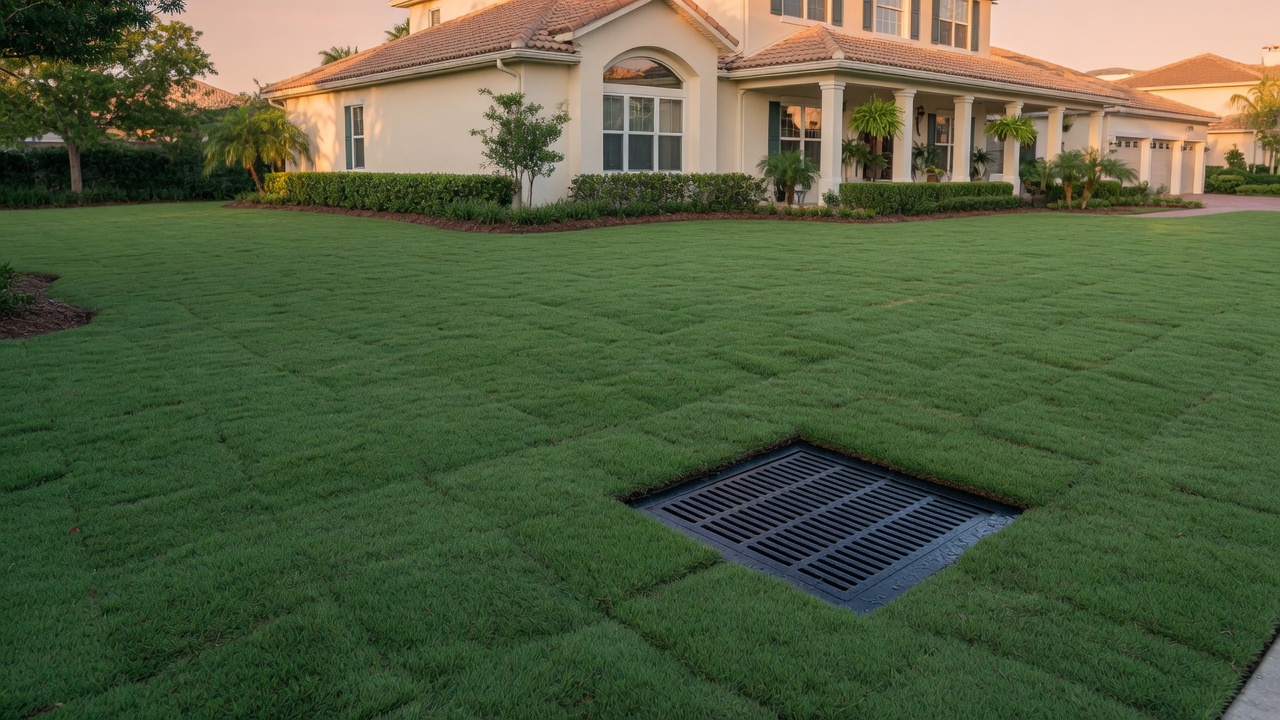
Where should it be collected?
How should it travel?
Where can it safely exit?
Make the property look right again.
Can we prove the path works?
Solutions
Water sitting on the lawn, driveway, or patio is a path problem — not a pipe product.
Explore solutions →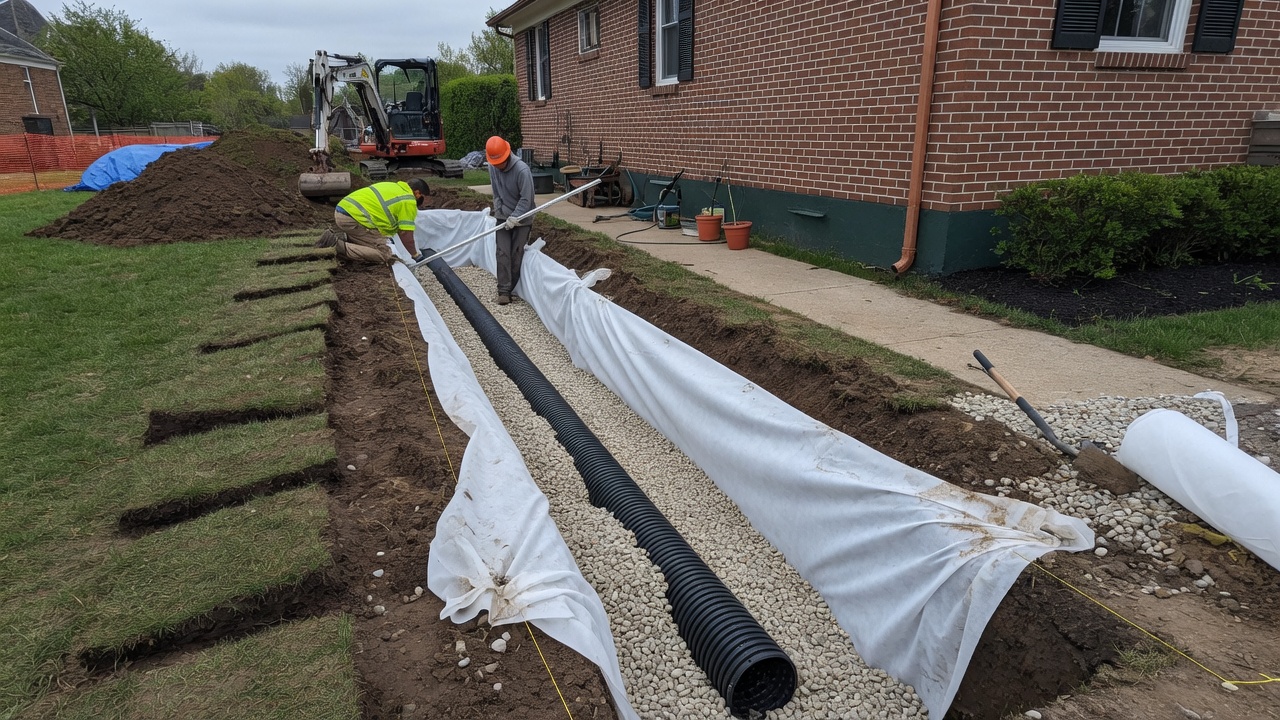
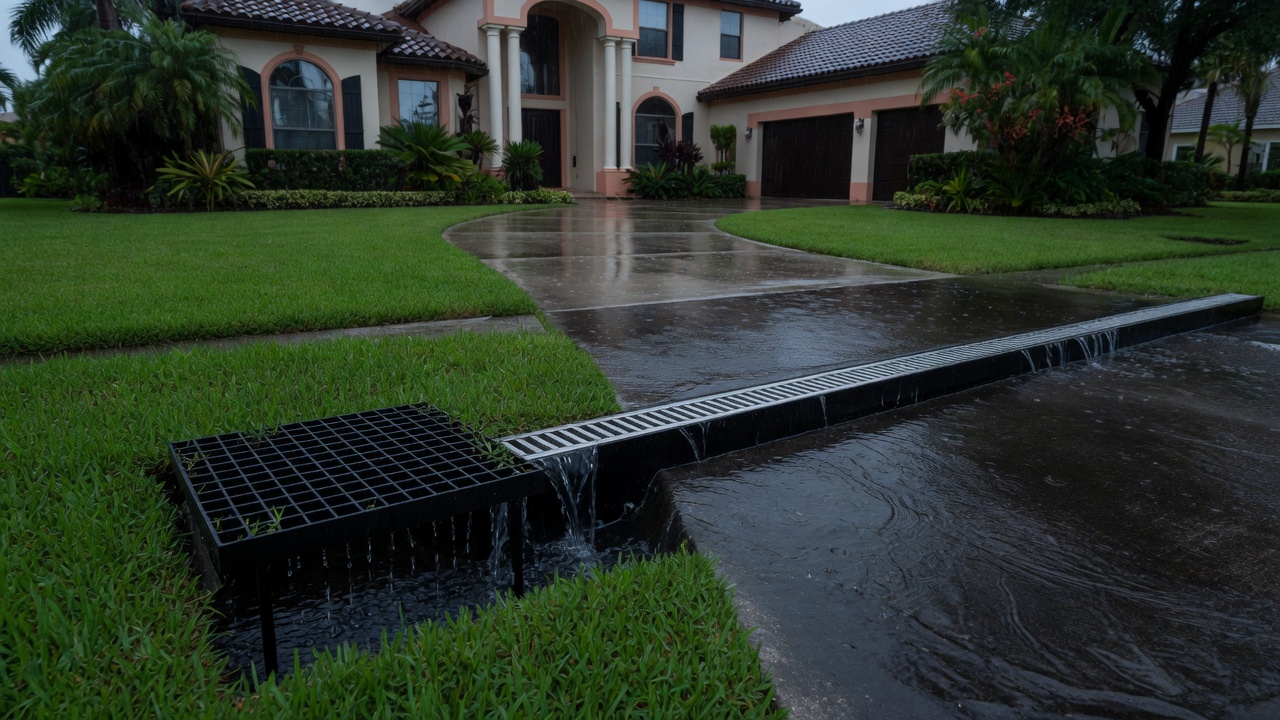
Saturated soil and water moving toward the structure need collection below grade.
Explore solutions →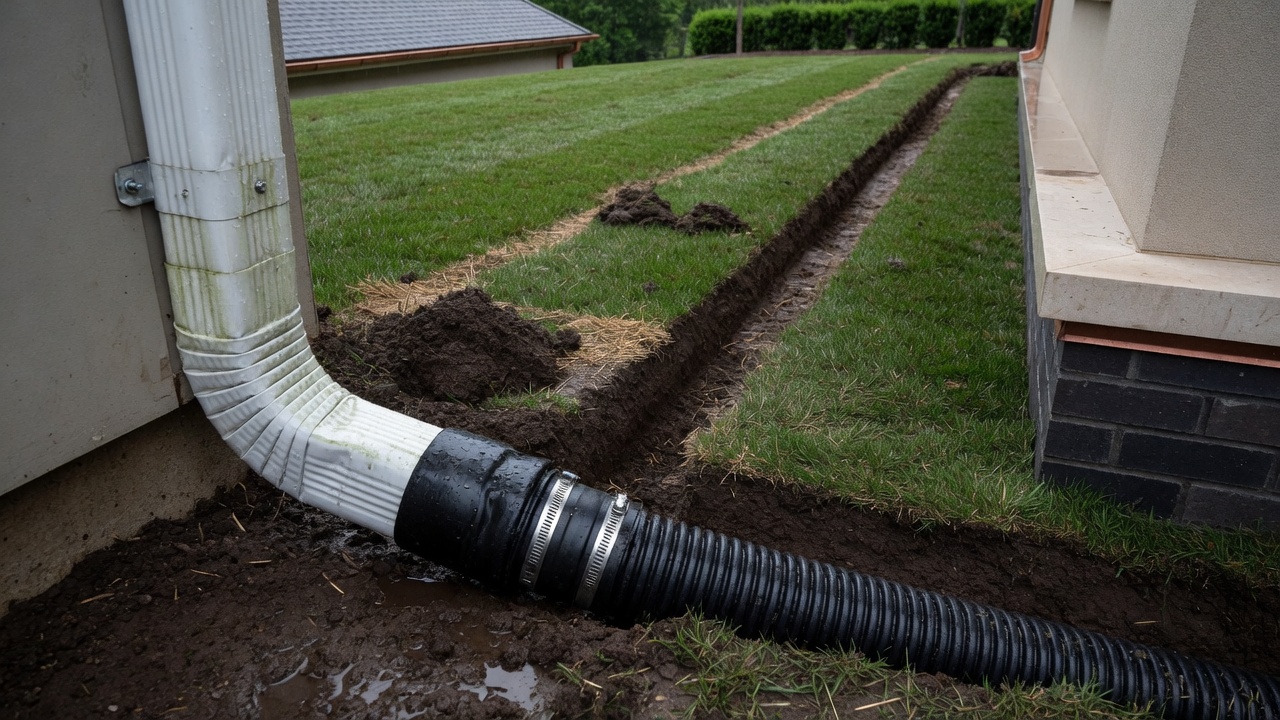
Collected water still has to travel and exit somewhere legal, safe, and permanent.
Explore solutions →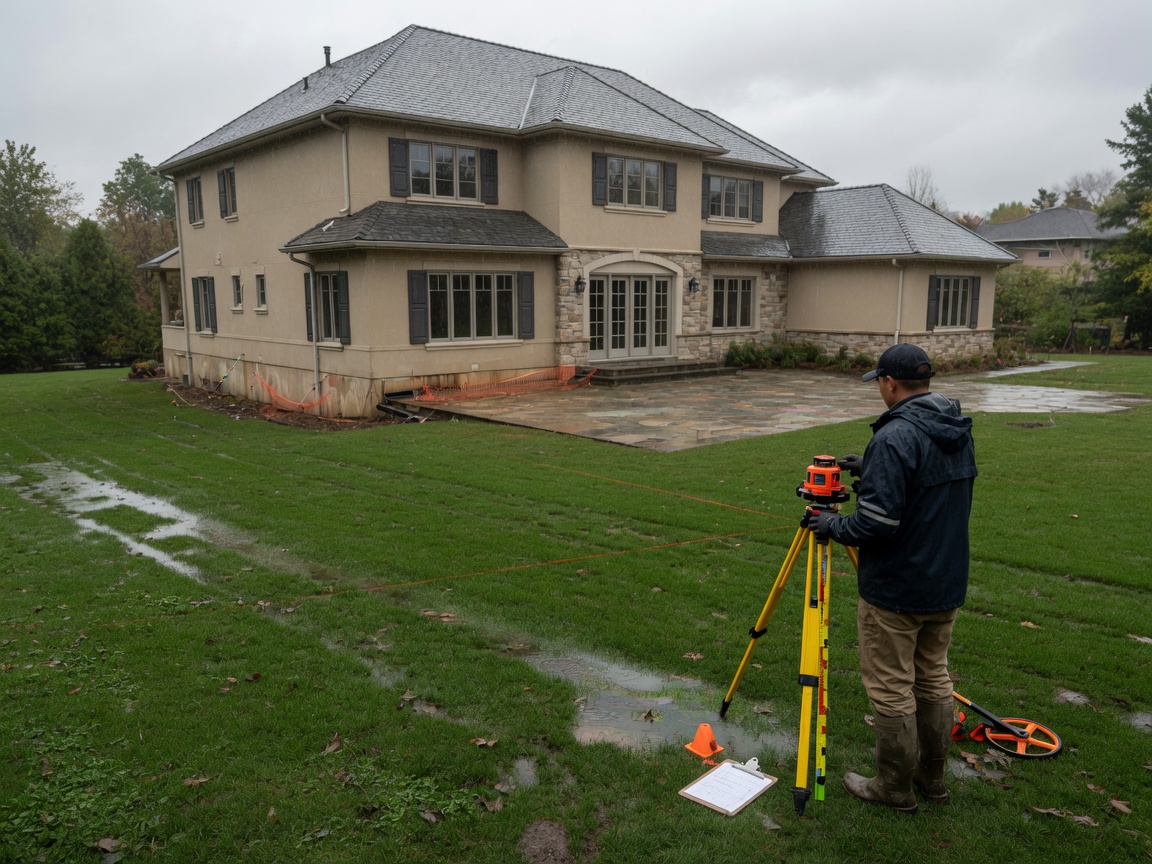
Drainage analysis
Drainage Pro Property Water Analysis. A paid diagnostic — credited toward an approved installation — so the first trench is the right one.
Visual proof
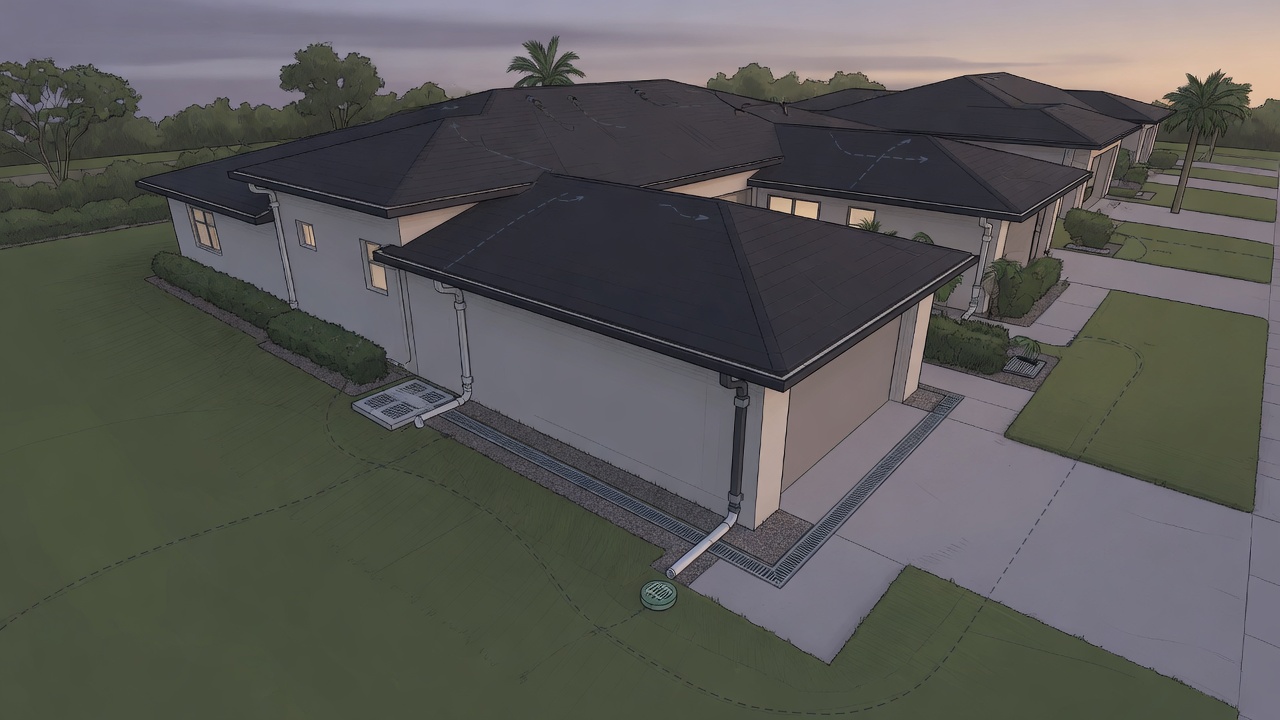
Every lot is a watershed
Select a point on the property. Each one is a decision — source, capture, movement, or discharge.
Evidence, not adjectives
Starting and ending grade. Intended pipe slope. Not “it looked like it would run.”
Pipe type and diameter. Perforated versus solid. Cleanouts. Basins. Discharge point.
Before, progress, and after photographs. Flow test. As-built drawing for the owner.
What rainfall and site conditions the system was designed to manage. No casual forever-promises.
Drainage Pro near you
Enter a ZIP code. We match you to an operating market — not a thin page with a city name swapped in.
Journal
Disclosure and a documented repair beat a surprise inspection after a storm week. Local notes for Austin: thin soils over limestone on…
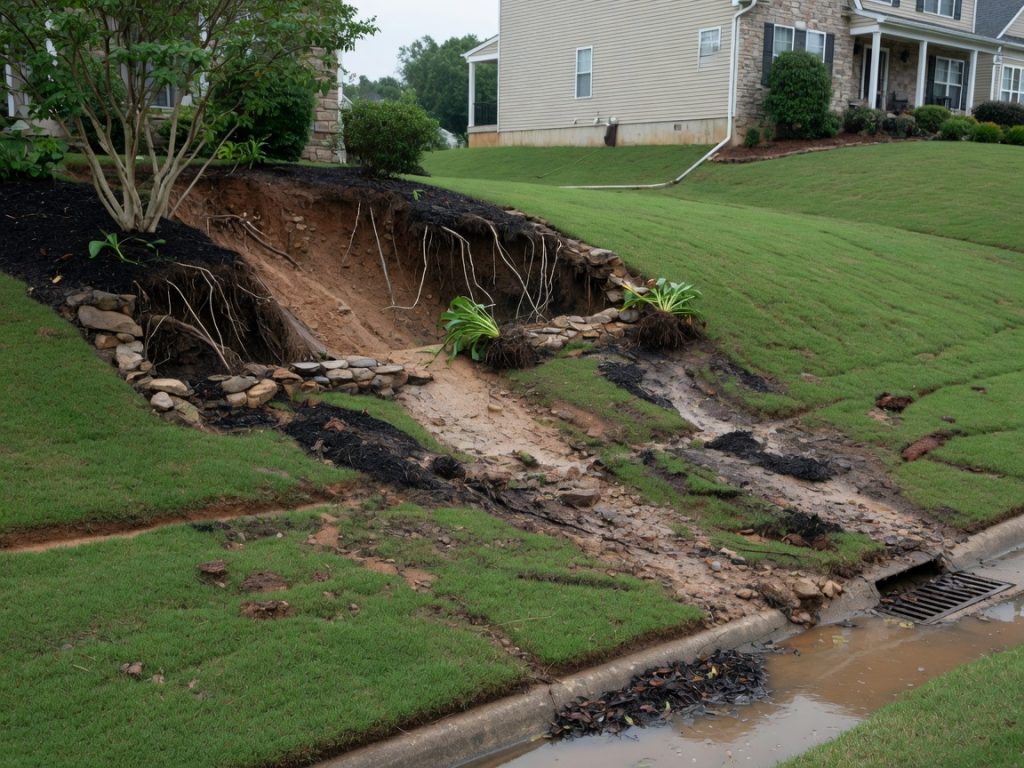
Beds, walls, and new sod change grade. Yesterday’s path can die under six inches of good intentions. Local notes for Austin: thin…
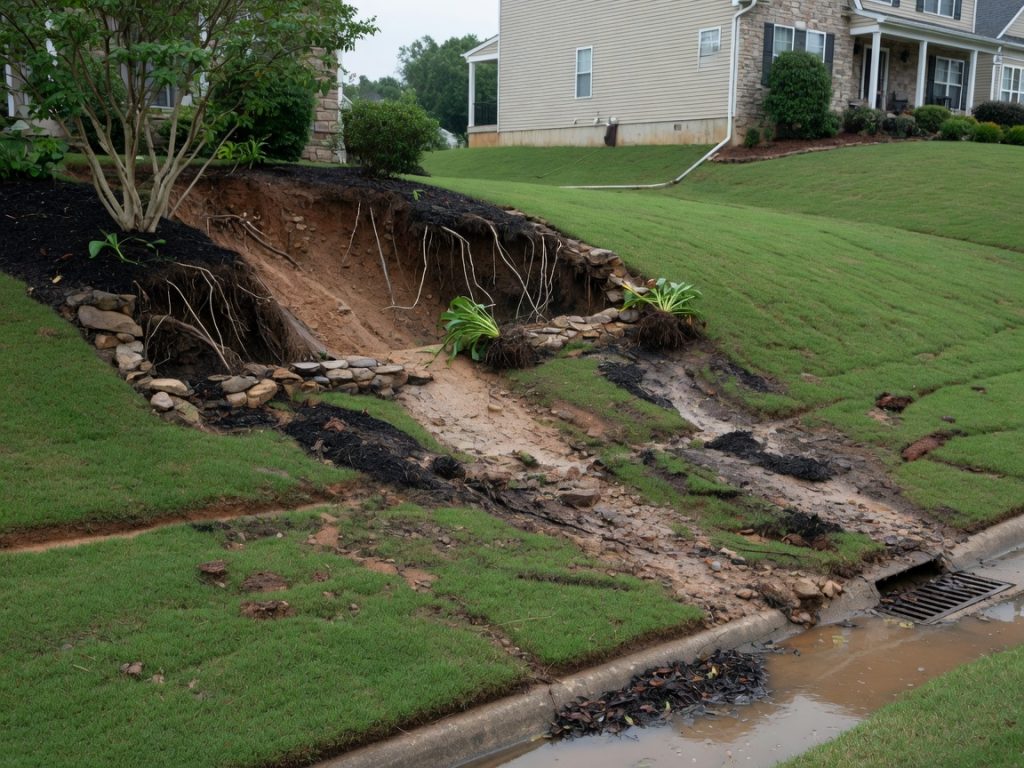
Beds, walls, and new sod change grade. Yesterday’s path can die under six inches of good intentions. Local notes for Austin: thin…
No. A French drain is one collection method. Some lots need grade. Some need a channel at the driveway. Some need a pump because there is no gravity fall. We identify the source, the collection, the conveyance, and the discharge before anyone digs.
Every property is different. Free “estimates” turn into unpaid field days and a sales pitch for the product the crew already knows how to install. The analysis is the product: walkthrough, sources, elevations, downspouts, collection and discharge planning, a preliminary diagram, and a written proposal. The fee is credited toward an approved installation.
It depends on trench length, soil, access, pumps, discharge distance, and restoration. As a planning range we test: localized correction around $1,500–$3,500, core installations around $3,500–$9,000, and whole-yard or complex systems $9,000–$25,000+. Commercial and multifamily work is scoped separately.
No responsible drainage company promises that. We design for the sources we can identify and the rainfall and site conditions written in the scope. Extreme events, neighbor discharge, and municipal systems can exceed any residential installation.
Then it is not a drainage job. We screen for irrigation leaks on the analysis. A pressurized line can mimic a drainage failure. Installing pipe to “fix” a leak wastes the project and leaves the leak in the ground.
Utility locates are required before digging. Storm connections, easements, floodplain work, and right-of-way discharge are flagged on intake. Local rules differ by city. We do not treat outdoor drainage as unregulated just because it is not indoor plumbing.
Drainage Pro owns the brand, the process, the analysis standard, and the customer communication. Local drainage, excavation, or landscape businesses install under that standard — elevations, pipe spec, discharge, photographs, flow test, as-built. You are not buying a lead. You are buying a designed path.
Territory relationships for qualified drainage and excavation businesses are discussed separately. We do not treat the homeowner site as a franchise advertisement. If you operate a capable company and want a market conversation, use the Territory Opportunities page.
Move water. Protect property.
A Drainage Pro Property Water Analysis finds where water comes from, where it collects, and the right way to send it away from the house.