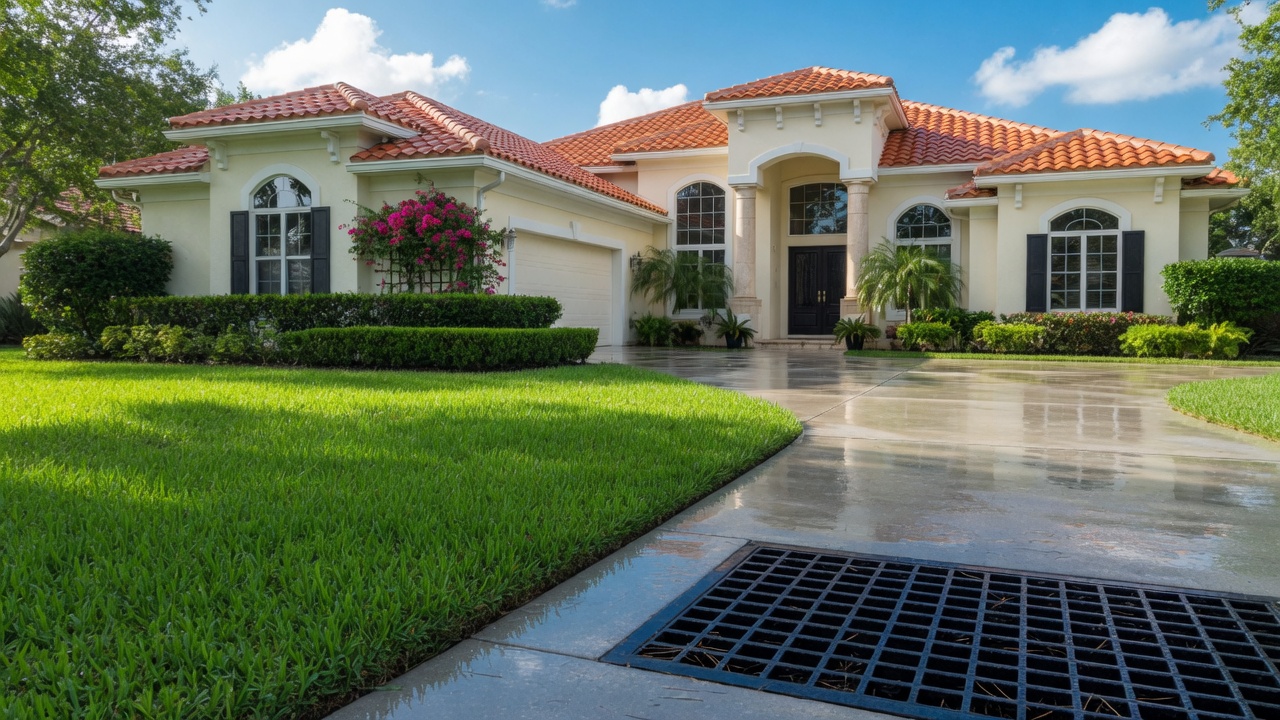
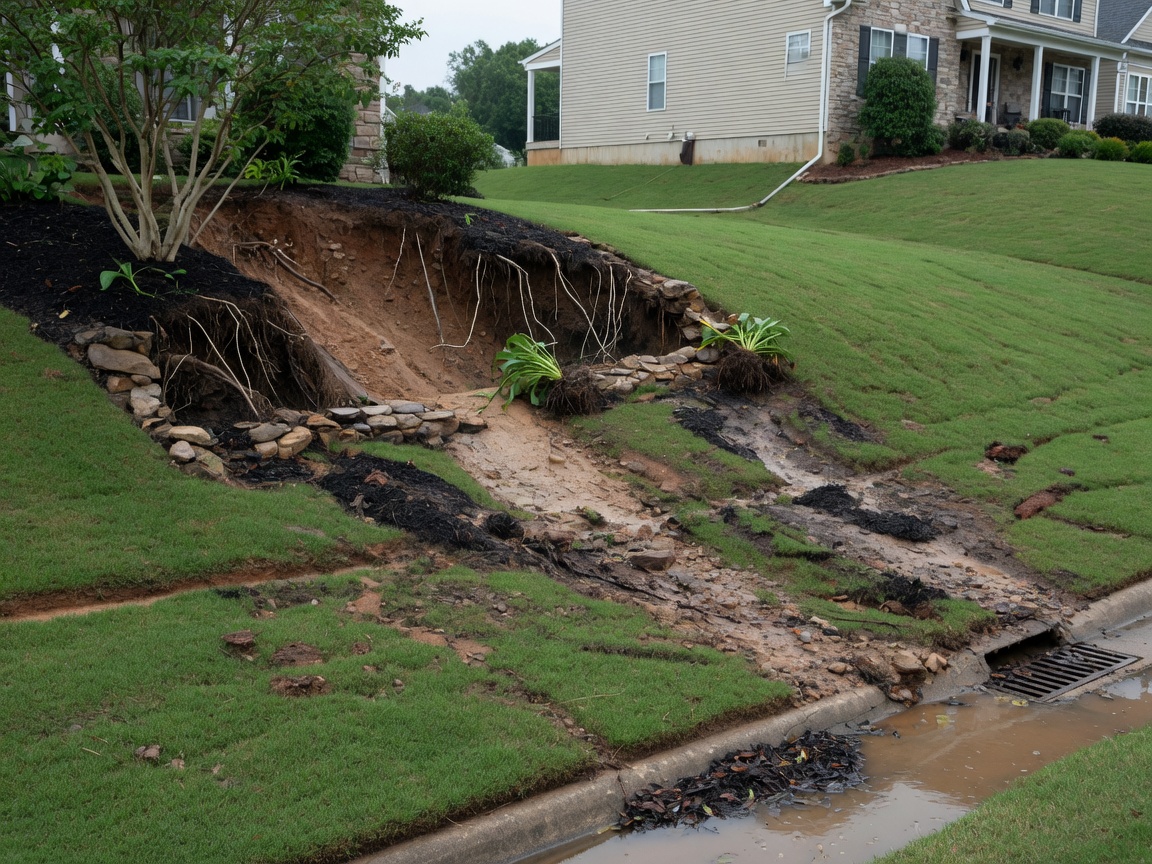
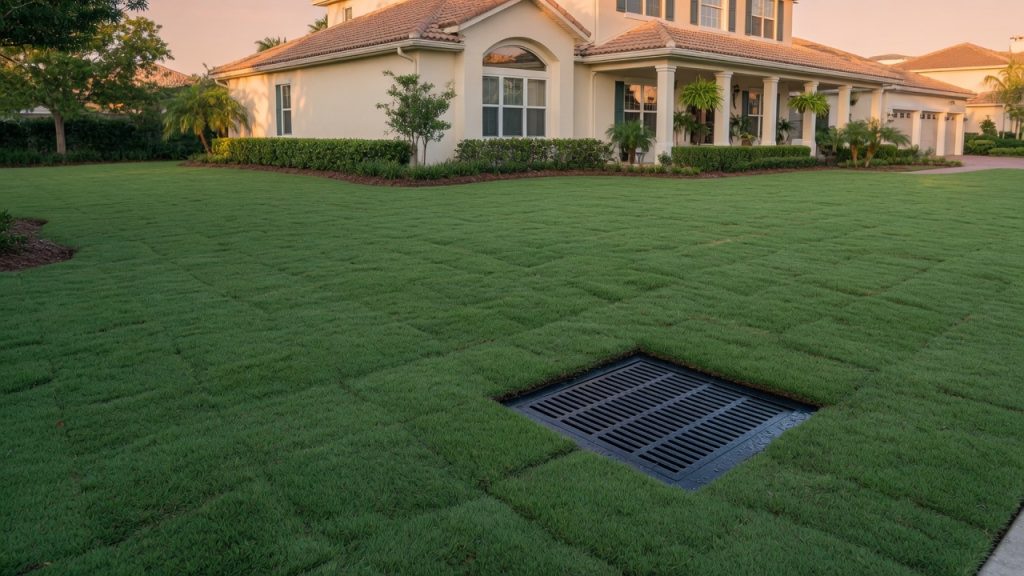
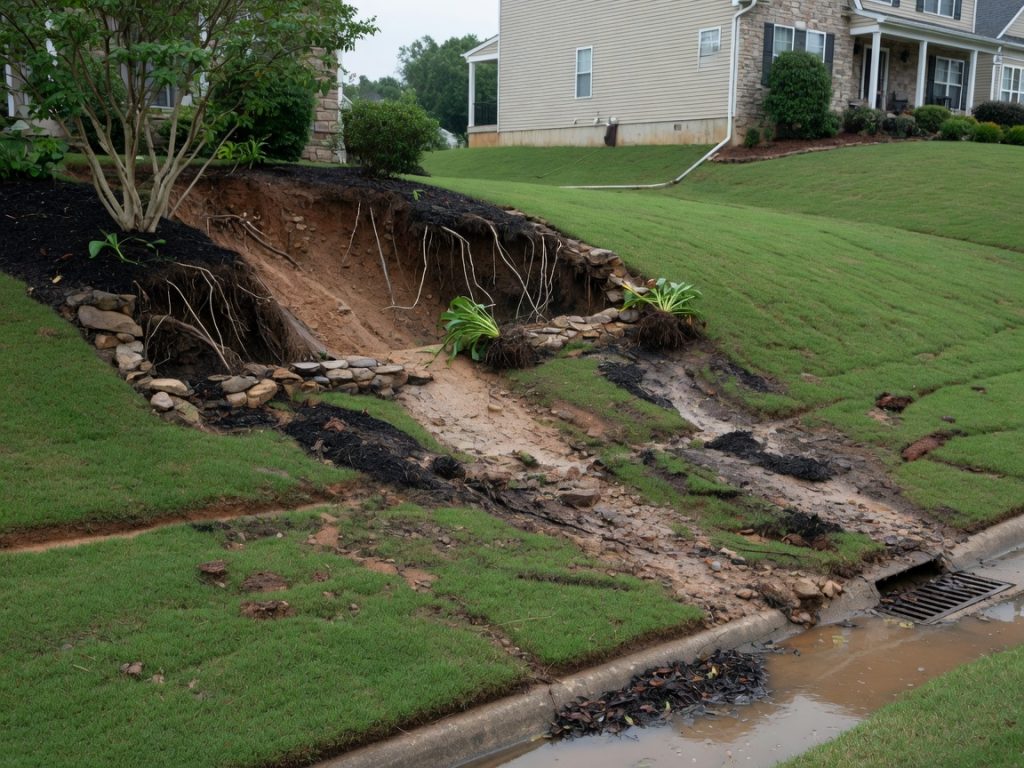
What makes drainage different in Dallas–Fort Worth?
Blackland and expansive clays. Fast summer storms. Neighborhoods with rear-lot drainage, shallow swales, and HOA common areas that concentrate flow onto one pad.
Do I need a permit for yard drainage in Dallas–Fort Worth?
Floodplain alteration, fill, and municipal storm connections vary by city. Dallas-area work inside easements is flagged on intake. We do not guess a discharge into the alley and call it done.
Do you actually work in Dallas–Fort Worth?
Yes. This is an operating Drainage Pro market. Enter a ZIP on the Locations page to confirm your lot sits in the service area.
Do you always install a French drain?
No. A French drain is one collection method. Some lots need grade. Some need a channel at the driveway. Some need a pump because there is no gravity fall. We identify the source, the collection, the conveyance, and the discharge before anyone digs.
Why is the first visit a paid Drainage Analysis?
Every property is different. Free “estimates” turn into unpaid field days and a sales pitch for the product the crew already knows how to install. The analysis is the product: walkthrough, sources, elevations, downspouts, collection and discharge planning, a preliminary diagram, and a written proposal. The fee is credited toward an approved installation.
What does a typical project cost?
It depends on trench length, soil, access, pumps, discharge distance, and restoration. As a planning range we test: localized correction around $1,500–$3,500, core installations around $3,500–$9,000, and whole-yard or complex systems $9,000–$25,000+. Commercial and multifamily work is scoped separately.
Will this stop all flooding?
No responsible drainage company promises that. We design for the sources we can identify and the rainfall and site conditions written in the scope. Extreme events, neighbor discharge, and municipal systems can exceed any residential installation.
What if the wet spot is a sprinkler leak?
Then it is not a drainage job. We screen for irrigation leaks on the analysis. A pressurized line can mimic a drainage failure. Installing pipe to “fix” a leak wastes the project and leaves the leak in the ground.
Do you handle permits and 811?
Utility locates are required before digging. Storm connections, easements, floodplain work, and right-of-way discharge are flagged on intake. Local rules differ by city. We do not treat outdoor drainage as unregulated just because it is not indoor plumbing.
Who actually does the work?
Drainage Pro owns the brand, the process, the analysis standard, and the customer communication. Local drainage, excavation, or landscape businesses install under that standard — elevations, pipe spec, discharge, photographs, flow test, as-built. You are not buying a lead. You are buying a designed path.